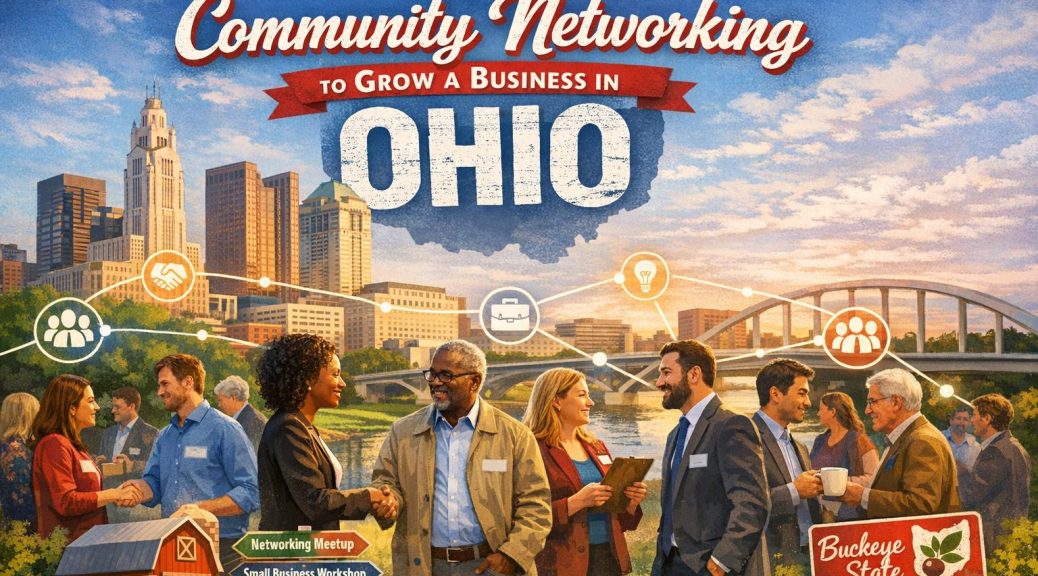
How to Use Community Networking to Grow a Business in Ohio
Understanding Community Networking
Community networking is a structured and deliberate approach through which businesses establish and cultivate relationships within their local environment to support sustainable growth, improve brand recognition, and strengthen operational resilience. While networking often includes professional associations and industry alliances, community networking places emphasis on localized engagement. It relies on meaningful interactions with customers, other businesses, civic organizations, and regional institutions.
In Ohio, community networking carries particular importance due to the state’s diverse economic composition. Ohio includes major metropolitan centers such as Columbus, Cleveland, and Cincinnati, as well as mid-sized cities and rural communities with distinct economic characteristics. Manufacturing, logistics, healthcare, agriculture, technology, education, and small-scale entrepreneurship all contribute to the state’s economic structure. Because of this diversity, networking strategies that are effective in one region may require adaptation in another. A thorough understanding of local dynamics enables businesses to form partnerships that reflect the specific needs and interests of each community.
Community networking differs from mass marketing campaigns or purely digital outreach because it prioritizes personal connections and consistent local presence. It encourages long-term relationship building instead of short-term transactional interactions. When systematically implemented, community networking can improve customer retention, increase referral rates, and create collaborative opportunities that would not emerge through isolated operations.
Building Local Partnerships
One of the foundational elements of community networking involves establishing local partnerships. Partnerships allow businesses to combine resources, reach new customer segments, and create experiences that add value to the community. In Ohio’s varied economic landscape, partnerships can span multiple sectors, including retail, education, nonprofit services, hospitality, and manufacturing.
Businesses benefit most when partnerships are formed with organizations that offer complementary products or services. For example, a café situated in a downtown district might collaborate with a nearby bookstore to host author readings or discussion groups. A fitness studio might coordinate with a nutrition consultant or wellness clinic to design joint workshops. A construction supplier may collaborate with a local trade school to support student training initiatives. These partnerships create mutual exposure while distributing marketing and operational costs.
Identifying Strategic Alignment
Successful partnerships depend on alignment of mission, target audience, and operational capacity. Businesses should assess whether potential partners share similar quality standards and service philosophies. In Ohio communities where reputation carries significant weight, alignment ensures credibility is maintained for both parties. Conducting preliminary discussions about objectives, timeline expectations, and financial contributions reduces the risk of misunderstandings.
It is also beneficial to document partnership goals in writing. Clear agreements regarding co-hosted events, shared advertising, customer data privacy, and revenue allocation contribute to long-term stability. In many Ohio communities where businesses maintain longstanding local ties, transparency reinforces trust and encourages enduring collaboration.
Cross-Promotional Strategies
Cross-promotion can take multiple forms. Businesses might share physical promotional materials at their respective premises, coordinate social media announcements, or provide bundled discounts. For example, a local salon might offer customers a discount at a nearby boutique, while the boutique reciprocates with promotional material for the salon. This approach broadens visibility without significantly increasing marketing expenditure.
When executed consistently, cross-promotion strengthens customer perception of a connected and supportive local business environment. It reinforces the idea that patronizing one establishment contributes to the wider community economy.
Engaging in Community Events
Community events present structured opportunities for businesses to interact directly with residents and other enterprises. Ohio hosts a wide range of events throughout the year, including county fairs, cultural festivals, farmers’ markets, trade expositions, educational seminars, and seasonal celebrations. Participation allows businesses to demonstrate their products or services in a tangible way.
Direct interaction at events enables companies to gather immediate feedback, observe consumer preferences, and respond to questions in real time. This information can inform future marketing and operational decisions. In smaller towns across Ohio, face-to-face conversations often carry significant influence over purchasing behavior, making event participation an important strategy.
Plan Ahead
Effective engagement requires advanced preparation. Businesses should map out annual event calendars relevant to their region and industry. Planning enables appropriate allocation of staffing, promotional materials, inventory, and demonstration equipment. It also allows for targeted marketing prior to the event, increasing the likelihood of strong attendance at booths or presentations.
Preparation should also include defining measurable objectives. These may include number of contacts collected, volume of product samples distributed, scheduled consultations, or post-event sales conversions. Establishing performance metrics contributes to evaluating return on investment and refining future participation strategies.
Staff Training and Presentation
Employees representing a business at community events should have a thorough understanding of products, pricing, and core brand messaging. Professional presentation fosters credibility, particularly in Ohio’s competitive metropolitan areas. At the same time, interactions should remain approachable and informative. Clear communication ensures that event engagement contributes positively to brand perception.
Follow-up communication after the event is equally important. Digital newsletters, personalized emails, or informational brochures can help convert initial conversations into lasting customer relationships or collaborative partnerships.
Utilizing Local Chambers of Commerce
Local chambers of commerce play a significant role in regional business ecosystems. These organizations function as structured hubs for networking, advocacy, policy updates, and professional development. Membership typically provides access to business directories, educational workshops, community announcements, and structured networking events.
In Ohio, chambers operate at municipal, county, and regional levels. Some focus on specific industries, while others serve broad business categories. By joining an appropriate chamber, businesses can gain visibility within established local networks and participate in policy discussions affecting commerce and regulation.
Ohio-Specific Chambers
Large metropolitan chambers in cities such as Columbus, Cleveland, and Cincinnati provide access to substantial membership networks and industry-specific councils. Smaller community chambers offer more intimate settings that allow direct interaction with local leaders and entrepreneurs. The scale of the chamber should align with business objectives. For example, startups may benefit from mentorship opportunities in smaller chambers, while manufacturing firms might prioritize access to broader supply chain networks.
Active participation rather than passive membership generates the greatest benefits. Serving on committees, sponsoring events, and attending regular meetings enhance recognition and trust among fellow members.
Policy Awareness and Advocacy
Chambers often monitor legislative and regulatory developments that impact local businesses. Engaging with chamber initiatives helps companies remain informed about zoning regulations, labor policies, tax incentives, and infrastructure projects. In Ohio, where economic development initiatives frequently involve public-private collaboration, chamber membership may offer insight into grant programs or regional investment opportunities.
Leveraging Social Media
While traditional in-person networking remains important, digital platforms significantly expand the reach of community engagement efforts. Social media platforms such as Facebook, LinkedIn, and Instagram allow businesses to maintain ongoing communication with local audiences. Digital networking complements physical interactions by reinforcing brand visibility between events and partnerships.
An active social media presence enables the promotion of community collaborations, announcements of local event participation, and recognition of local partners. Posting updates about community contributions signals involvement and reliability.
Local Hashtags and Groups
Using location-based hashtags and participating in community-specific online groups can enhance visibility among residents searching for local services. In Ohio cities and towns, neighborhood groups often function as informal recommendation channels. Providing clear information and responding to inquiries professionally contributes to credibility.
Businesses should maintain consistency across platforms regarding branding and communication tone. Accuracy in posting schedules and responsiveness to comments strengthens digital relationships. Although community networking prioritizes local interaction, digital tools ensure continuity and expand reach to individuals who may not attend physical events.
Data-Driven Insights
Social media analytics provide measurable insight into customer engagement. Tracking metrics such as click-through rates, geographic reach, comment volume, and event response data allows businesses to refine strategies. When analyzed thoughtfully, digital engagement data can highlight which community initiatives generate the most interest and which demographics are most responsive.
Volunteer and Support Local Causes
Participation in local causes represents another dimension of community networking. Businesses that contribute time, expertise, or financial support to nonprofits and civic initiatives often strengthen public credibility. In Ohio, local charities, educational institutions, and municipal improvement projects frequently rely on business partnerships.
Support can take multiple forms, including event sponsorships, employee volunteer programs, scholarship funding, or in-kind donations of goods and services. These contributions create opportunities for interaction with community leaders, municipal authorities, and residents outside of conventional commercial contexts.
Highlighting Social Responsibility
Demonstrating social responsibility requires transparency and measurable action. Rather than relying solely on promotional statements, businesses should report specific outcomes of their involvement, such as funds raised, volunteer hours contributed, or resources distributed. Clear documentation reinforces authenticity.
In Ohio communities where long-term relationships are common, consistent involvement often carries greater weight than one-time contributions. Sustained engagement with a local cause strengthens bonds and establishes a reputation for reliability.
Employee Engagement
Encouraging employees to participate in volunteer initiatives can enhance internal morale while extending the organization’s community footprint. Coordinated volunteer days, matching donation programs, and skill-based service programs allow employees to apply professional competencies in community contexts. This dual impact strengthens both corporate culture and external relationships.
Engaging in Business Networking Groups
Formal business networking groups provide structured environments for relationship building. These groups often meet regularly, facilitating consistent interaction among members. In Ohio’s metropolitan regions, industry-specific groups allow for targeted collaboration, while broader professional associations encourage cross-sector exchange.
Meetup Opportunities
Structured meetups and professional gatherings create opportunities for knowledge sharing and joint problem solving. Participants may discuss regulatory changes, supply chain challenges, marketing strategies, and technological innovations. By contributing actively to discussions, businesses position themselves as informed participants within their professional communities.
Consistency is central to maximizing benefits. Repeated attendance strengthens recognition and trust among peers. It also increases the likelihood of referrals, joint ventures, or supplier introductions.
Educational Programming
Many networking groups incorporate educational components such as guest speakers, workshops, and training sessions. Participation enhances managerial skills and exposes businesses to new operational methods. In Ohio’s evolving economic environment, continuous learning contributes to competitiveness.
Integrating Community Networking into a Comprehensive Strategy
Community networking yields the greatest results when integrated into a coordinated business strategy rather than executed as isolated activities. Businesses should begin by defining clear objectives, such as expanding market share within a specific county, increasing brand awareness in urban neighborhoods, or developing supply chain partnerships.
Once objectives are established, organizations can allocate time and resources across partnerships, events, chamber participation, digital engagement, and volunteer efforts. Establishing measurable indicators—such as new customer acquisition rates, referral frequency, partnership agreements signed, or event-generated sales—enables ongoing evaluation.
Documentation of networking activities contributes to strategic refinement. Tracking performance across different Ohio regions may reveal variations in community responsiveness. For example, rural communities may prioritize chamber participation and personal referrals, while metropolitan markets may respond more strongly to social media and industry expos. Adjusting strategies accordingly enhances efficiency.
Long-Term Relationship Maintenance
Maintaining relationships requires regular communication and acknowledgement of milestones. Sending updates, recognizing partner achievements, and maintaining open dialogue about evolving goals sustain collaborative momentum. Long-term engagement differentiates community networking from one-time outreach initiatives.
Consistency in branding, messaging, and professional conduct further reinforces recognition. In communities where reputation spreads through word of mouth, predictable service quality and ethical conduct strengthen connections.
Adaptation to Economic Shifts
Economic conditions in Ohio, like those in any state, shift in response to national and global dynamics. Community networking can provide stability during periods of uncertainty. Strong local partnerships may enable resource sharing during supply disruptions. Active chamber involvement may offer insight into emerging policy incentives. Digital engagement can help businesses maintain contact during periods when physical events are limited.
By viewing community networking as a long-term investment rather than a promotional expense, businesses position themselves for sustained development. The integration of local partnerships, event participation, chamber engagement, digital outreach, and civic involvement creates a comprehensive framework that supports resilience and growth.
Emphasizing structured engagement, measurable outcomes, and sustained collaboration allows Ohio businesses to improve visibility, strengthen operational networks, and maintain an adaptive presence within their communities. Through disciplined implementation of these principles, organizations can reinforce their local relevance and secure a stable competitive position within the state’s diverse economic landscape.